Global Flame Retardant Masterbatches Market Report and Forecast 2026-2035

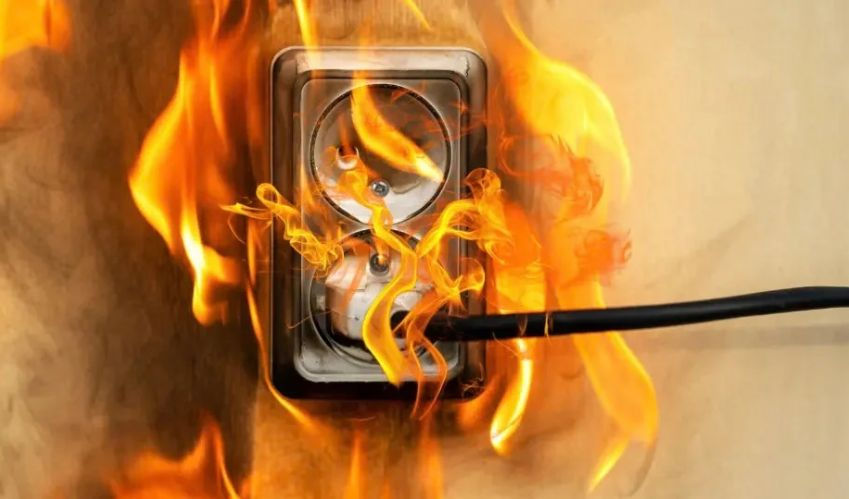
Flame Retardant Masterbatches Market Outlook
According to the report by Expert Market Research (EMR), the global flame retardant masterbatches market attained a value of USD 2788.80 Million in 2025. Aided by the increasing demand for fire-resistant plastics, growing safety requirements across industries, and expanding applications of polymer-based materials, the market is projected to grow at a CAGR of 10.20% between 2026 and 2035, reaching a value of USD 7366.03 Million by 2035.
Flame retardant masterbatches are concentrated mixtures of flame retardant additives and carrier polymers that are incorporated into plastic materials during processing to improve their resistance to ignition and flame propagation. They are used in a wide range of thermoplastics and polymer-based products, including electrical components, automotive parts, construction materials, consumer goods, wires, cables, and electronic devices. Their ability to provide consistent additive dispersion and simplify manufacturing makes them an important solution for producing fire-resistant plastic products.
The growing focus on fire safety across commercial, residential, industrial, and transportation applications is supporting the expansion of the flame retardant masterbatches market. As polymer materials are increasingly used because of their lightweight, durability, flexibility, and cost advantages, manufacturers are placing greater emphasis on improving their fire performance. This is encouraging the adoption of flame retardant solutions in applications where material safety is a critical consideration.
Flame Retardant Masterbatches Market Size and Share
The market size of flame retardant masterbatches is supported by the widespread use of plastics across several major industries. Electrical and electronics, automotive, construction, packaging, consumer goods, and industrial manufacturing are among the key application areas generating demand. The increasing use of plastics in electrical housings, connectors, cable insulation, interior components, and other products is creating opportunities for flame retardant masterbatch manufacturers.
Market share is influenced by factors such as polymer type, additive formulation, application, end-use industry, and geographical demand. Polyolefins, engineering plastics, and other thermoplastic materials are important areas of application due to their extensive use in industrial and consumer products. Manufacturers are developing specialised masterbatch formulations to provide suitable flame resistance while maintaining properties such as mechanical strength, processability, appearance, and durability.
The electrical and electronics sector represents an important area of demand as modern electronic devices and electrical infrastructure increasingly incorporate polymer components. Flame retardant materials are used in components where controlling fire risks is particularly important. Similarly, the automotive industry is creating additional demand as manufacturers increase the use of lightweight plastics to improve vehicle efficiency and design flexibility.
Flame Retardant Masterbatches Market Trends
One of the key trends shaping the global flame retardant masterbatches market is the increasing development of halogen-free flame retardant solutions. Environmental considerations and concerns regarding certain conventional flame retardant chemicals are encouraging manufacturers to explore alternative formulations. Halogen-free systems based on materials such as phosphorus, nitrogen, mineral compounds, and other technologies are receiving increasing attention.
Another important trend is the growing demand for high-performance and multifunctional masterbatches. End users increasingly require flame retardant materials that can provide fire resistance without significantly affecting the original properties of the polymer. Manufacturers are therefore focusing on formulations that offer improved dispersion, thermal stability, mechanical performance, and processing characteristics.
The increasing adoption of lightweight plastics in the automotive sector is also influencing market development. Vehicle manufacturers are replacing certain metal components with polymer-based materials to reduce weight and improve fuel efficiency or support electric vehicle designs. This is creating a need for flame-resistant plastic materials in various automotive applications.
Sustainability is becoming another important consideration. Manufacturers are exploring formulations that can meet fire safety requirements while supporting environmental objectives. Recyclability, lower emissions, reduced hazardous content, and compatibility with sustainable polymers are becoming increasingly relevant in product development.
Drivers of Growth
The increasing emphasis on fire safety standards is a major driver of the global flame retardant masterbatches market. Governments, regulatory bodies, and industry organisations have established safety requirements for materials used in buildings, electrical equipment, transportation, and consumer products. Compliance with these requirements encourages manufacturers to incorporate flame retardant technologies into polymer-based products.
The rapid expansion of the electrical and electronics industry is further supporting market growth. Smartphones, computers, appliances, electrical equipment, data infrastructure, and other electronic products contain numerous polymer components. As the use of electrical and electronic equipment increases, demand for materials with suitable fire resistance is also expanding.
The construction industry represents another significant growth area. Plastics are increasingly used in insulation, cables, pipes, panels, flooring components, and other construction applications. The incorporation of flame retardant masterbatches can help improve the fire performance of polymer-based construction materials and components.
The automotive industry's transition towards lightweight materials is also contributing to demand. Polymer components can reduce vehicle weight and provide design flexibility, while flame retardant additives can help address safety requirements. The growing production of electric vehicles is creating additional opportunities because these vehicles contain extensive electrical and electronic systems.
Flame Retardant Masterbatches Market Segmentation
The market based on the following segments:
Market Breakup by Type
Brominated
Chlorinated
Organophosphorus
Antimony Oxides
Alumina Trihydrate (ATH)
Others
Market Breakup by Resin
PE
PP
ABS
PS
PC
Others
Market Breakup by End Use
Automobile
Building and Construction
Electrical and Electronics
Consumer Products
Packaging
Others
Market Breakup by Region
North America
Europe
Asia Pacific
Latin America
Middle East and Africa
Competitive Landscape
Albemarle Corporation
BASF SE
Clariant AG
Nouryon Chemicals Holding B.V.
LANXESS AG
DIC Corporation
Tosaf Compounds Ltd.
Others
Technology and Advancement
Technological advancements are playing an important role in improving the performance and efficiency of flame retardant masterbatches. Modern formulations are designed to achieve effective flame resistance at suitable additive concentrations while maintaining the mechanical and processing characteristics of the base polymer.
Advanced compounding technologies allow manufacturers to achieve more uniform dispersion of flame retardant additives throughout polymer matrices. Improved dispersion can contribute to consistent performance and reduce processing problems during the production of finished plastic components.
Research and development activities are also focused on developing halogen-free and low-smoke formulations. Phosphorus-based, nitrogen-based, mineral-based, and synergistic flame retardant systems are being explored to address safety and environmental requirements. Combining different flame retardant mechanisms can improve performance while reducing the amount of individual additives required.
Nanotechnology is another area of technological development. Certain nanoscale materials can be incorporated into polymer systems to influence heat resistance, char formation, and flame propagation. Such technologies may provide opportunities for developing advanced materials with improved fire performance and other functional characteristics.
Automation and digital manufacturing technologies are also improving quality control in masterbatch production. Better process monitoring can support consistency in additive concentration, particle distribution, colour, and other product characteristics.
Flame Retardant Masterbatches Industry Analysis
The flame retardant masterbatches industry consists of manufacturers specialising in additive technologies, polymer compounding, colour and additive masterbatches, and specialty materials. Competition is influenced by product performance, formulation expertise, raw material availability, production capabilities, regulatory compliance, and technical support.
Large manufacturers benefit from established research and development capabilities, extensive distribution networks, and relationships with major polymer processors and end-use industries. Regional producers and specialised companies, meanwhile, compete by offering customised formulations, application-specific solutions, and technical assistance.
The industry is closely connected to the plastics and polymer processing sectors. Changes in polymer demand, raw material prices, manufacturing activity, and end-use production can influence the demand for flame retardant masterbatches. Manufacturers therefore need to maintain flexibility in sourcing and formulation to respond to changing market conditions.
The automotive, electrical and electronics, construction, and industrial sectors are expected to remain important contributors to industry demand. Increasing polymer consumption across these industries is likely to create opportunities for suppliers capable of delivering high-performance and application-specific flame retardant solutions.
Challenges and Opportunities
Despite its strong growth prospects, the global flame retardant masterbatches market faces several challenges. Regulatory requirements concerning chemical substances can increase the complexity of product development and manufacturing. Companies must ensure that formulations meet safety, environmental, and performance requirements across different markets.
The cost of specialised flame retardant additives can also affect product pricing. Fluctuations in the prices and availability of raw materials may increase production costs and create challenges for manufacturers and downstream processors.
Another challenge is achieving an appropriate balance between flame resistance and other material properties. Excessive concentrations of additives may affect mechanical strength, appearance, processability, or other characteristics of polymers. Manufacturers therefore need to develop formulations that provide the required fire performance without compromising overall product quality.
However, these challenges create opportunities for innovation. The growing demand for halogen-free, low-smoke, recyclable, and high-performance flame retardant masterbatches provides manufacturers with opportunities to develop differentiated products. Increasing applications of engineering plastics and specialty polymers are also creating demand for advanced formulations.
The expansion of electric vehicles, renewable energy infrastructure, electronic devices, and modern construction materials presents additional opportunities. These sectors require polymer components that can meet increasingly demanding safety and performance requirements, creating a broader application base for flame retardant masterbatches.
Flame Retardant Masterbatches Market Forecast
The global flame retardant masterbatches market is expected to experience significant growth during the forecast period of 2026-2035. From a market value of USD 2788.80 Million in 2025, the market is projected to expand at a CAGR of 10.20% through 2035 and reach approximately USD 7366.03 Million by 2035.
The forecast growth is expected to be supported by increasing fire safety requirements, rising plastic consumption, expansion of electrical and electronics manufacturing, growing automotive applications, and continued development of advanced polymer materials. The construction industry's increasing use of plastic-based products is also expected to contribute to market expansion.
Product development is likely to remain focused on improving flame retardant performance while addressing environmental and processing considerations. Halogen-free technologies, multifunctional formulations, improved additive dispersion, and specialised solutions for engineering plastics are expected to remain important areas of research and commercial development.
Overall, the global flame retardant masterbatches market is expected to benefit from the growing requirement for safer and higher-performing polymer materials. As industries continue to adopt plastics for lightweight, durable, and flexible applications, the demand for technologies that improve their fire resistance is likely to increase. Continued investment in formulation technology, sustainable materials, and application-specific solutions is expected to support the market's development through 2035.


Comments